Spirulina vs Moringa for Better Health: The Ultimate Showdown
When considering the top health and wellness trends, I have been wondering if Spirulina or Moringa is better for my health. In this article, I compare Spirulina vs Moringa to help you understand their nutritional benefits and health advantages and how to select the right one for your needs.
Both Spirulina and Moringa are renowned nutrient powerhouses for their antioxidant properties, which promote various health benefits such as boosting energy, improving skin health, and regulating blood sugar levels.
Introduction to Superfoods
What are Superfoods?
Superfoods are foods that offer a high amount of nutritional value, making them an excellent addition to a balanced diet. They are rich in vitamins, minerals, and essential amino acids and have been shown to have anti-inflammatory effects, support digestive health, and even exhibit anti-cancer properties. These nutrient powerhouses can help you achieve optimal health by providing the body with the necessary building blocks for various physiological functions.
Characteristics of Nutrient-Dense Foods
Nutrient-dense foods, such as spirulina and moringa oleifera, are distinguished by their high content of essential nutrients, including vitamins, minerals, and antioxidants. These foods often contain high fiber, protein, and healthy fats, making them an outstanding choice for those looking to support their overall health and well-being. By including nutrient-dense meals in your diet, you can ensure that your body receives the important nutrients it needs to function optimally.
Nutrient Dense Superfoods
Nutrient-dense superfoods are packed with essential nutrients, including vitamins, minerals, and antioxidants, that deliver many health benefits when eaten as a component of a balanced diet. These superfoods, such as Spirulina, Moringa, and Chlorella, are full of essential amino acids, which are important for maintaining a healthy immune system and overall health. By including these nutrient-dense foods into your daily wellness routine, you can support heart health, regulate blood sugar levels, and even help prevent chronic diseases.
These foods are not just about filling you up; they are about fueling your body with the right nutrients. For instance, Spirulina is renowned for its high amounts of protein and essential amino acids, causing it to be a powerhouse for muscle repair and immune support. Moringa often called the miracle tree, is loaded with vitamins and minerals that add to overall health and well-being. Including these superfoods in your diet can help you achieve optimal health by providing the essential nutrients your body needs to function efficiently.
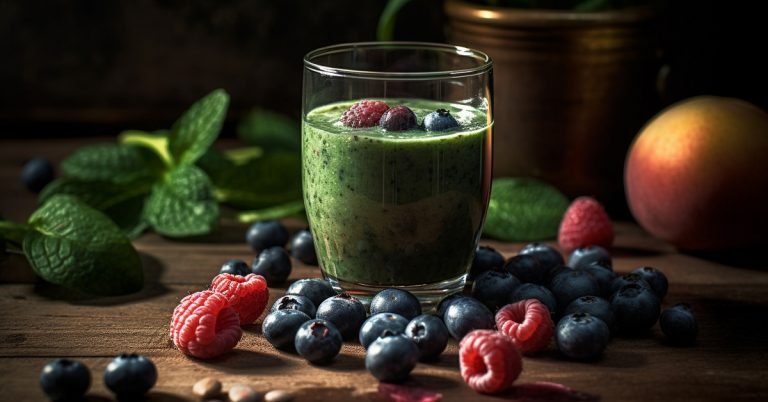
Incorporating nutrient-dense foods into your daily wellness routine can be as simple as adding spirulina powder to your morning smoothie or sprinkling moringa powder on your salad. These little changes can greatly impact your health, helping to control blood sugar levels, support heart health, and reduce the probability of chronic diseases. By making these superfoods a regular part of your diet, you can enjoy considerable health benefits and support a healthy immune system.
Key Takeaways
- Spirulina contains high amounts of protein and essential amino acids, making it an excellent origin of plant-based protein, while Moringa excels in vitamins and minerals, contributing to overall nutritional balance.
- Both Spirulina and Moringa offer significant health benefits such as immune support, heart health, and detoxification, but they achieve these through different mechanisms and nutrient profiles.
- The choice between Spirulina and Moringa should be guided by individual dietary needs, with Spirulina being more suitable for those focusing on protein intake and Moringa for those needing enhanced vitamin and mineral support.
Spirulina: The Blue-Green Algae

Spirulina, sometimes called blue-green algae, is a microscopic single-celled organism that flourishes in warm freshwater environments such as lakes and rivers. This filamentous cyanobacterium is celebrated for its high nutrient density, making it a staple in the world of dietary supplements. Grown globally, Spirulina is easy to cultivate and packed with nutrients that sustain overall health and wellness.
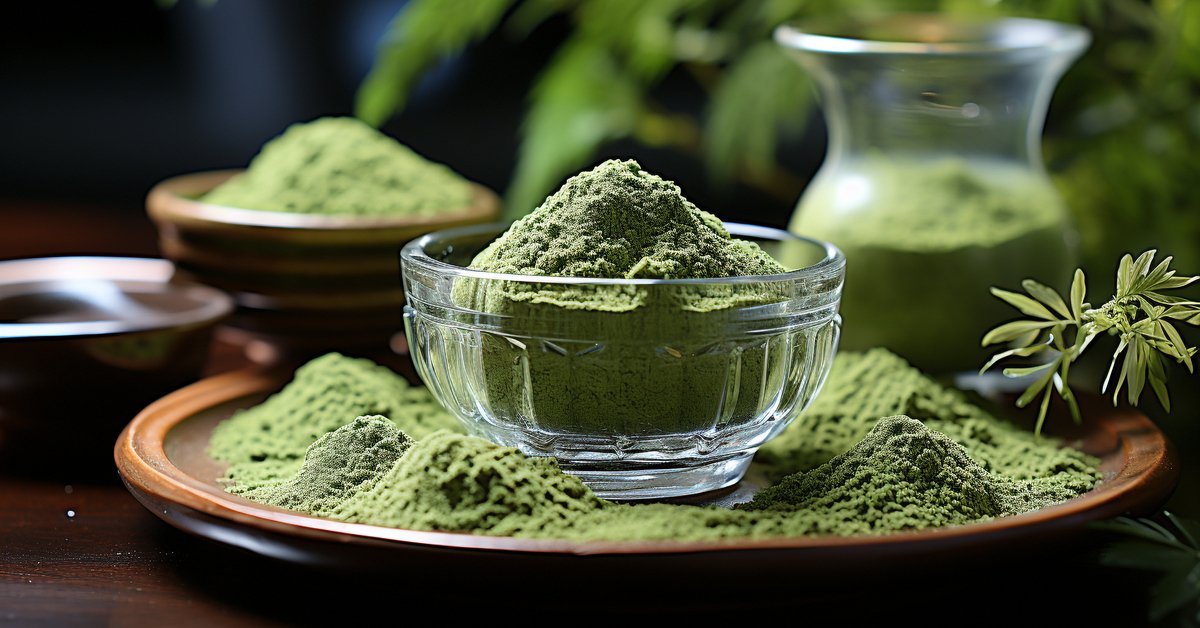
Classified as a superfood along with Moringa, Spirulina is renowned for its natural energy-boosting properties and dense nutrient profile. Its vibrant green powder form is a testament to its rich nutritional content, drawing health enthusiasts and nutritionists alike to its benefits. Spirulina is also rich in beta-carotene, which contributes to its antioxidative and anti-inflammatory properties.
Understanding the foundational qualities of Spirulina allows for a deeper appreciation of its specific nutritional profile and myriad health benefits.
What is Spirulina?
Spirulina is a type of blue-green algae that is regarded as one of the most nutrient-dense foods on the planet. It is crammed with essential amino acids, vitamins, and minerals. It has been shown to have considerable health benefits, including supporting heart health, muscle repair, boosting the immune system, and even exhibiting anti-cancer properties. Additionally, Spirulina is known for its natural energy-boosting properties. Spirulina powder is a popular dietary supplement that can be effortlessly added to smoothies, juices, and other recipes. Its versatility and potent nutritional profile make it a favorite among health enthusiasts looking to enhance their daily wellness routine.
Nutritional Profile of Spirulina
Spirulina boasts one of the richest protein contents among plants, containing about 60-71% protein by weight. This makes it an excellent source of protein and essential amino acids vital for different bodily functions. Spirulina powder offers a convenient method to increase protein intake without relying on animal-based products.
Moreover, Spirulina is packed with essential nutrients that contribute to overall health. It contains approximately 10.1 mg of Vitamin C per 100 grams, complementing its high protein content with vital vitamins and minerals. Spirulina’s rich nutritional profile makes it a powerhouse of dietary supplements, offering numerous benefits in a concentrated form.
Spirulina’s higher nutritional value supports various aspects of human health, from muscle strength to immune function, making it an adaptable addition to a balanced diet.
Health Benefits of Spirulina
Spirulina is not just a nutrient-dense food; it offers many health benefits that can enhance overall well-being. One of the key benefits of Spirulina is its potential to enhance muscle endurance and physical performance, making it a favorite among athletes and fitness enthusiasts.
Spirulina helps strengthen the immune system through various mechanisms, although specific details are not fully explained in the sources. Additionally, the antioxidants in Spirulina contribute to its cancer-fighting properties. Spirulina plays a significant role in heart health by aiding blood pressure regulation and cholesterol management, contributing to cardiovascular health.
The anti-inflammatory effects of Spirulina further bolster its health benefits, helping to reduce inflammation within the body. From sustaining a healthy immune system to promoting heart health, Spirulina’s comprehensive health benefits underscore its value as a dietary supplement. Its nutritional benefits extend beyond mere sustenance, offering a holistic approach to health and wellness.
Detoxification and Spirulina
Detoxification is another crucial aspect where Spirulina shines. This blue-green algae effectively removes heavy metals, pesticides, and other toxins from the body, making it a powerful detoxifying agent. Chlorophyll, a key component of Spirulina, plays a significant role in these detoxifying effects. Further research is needed to fully understand Spirulina’s detoxifying effects on various toxins.
In a remarkable study involving patients suffering from chronic diseases due to chronic arsenic poisoning, Spirulina led to a 47% reduction in arsenic levels in hair and a 43% reduction in nails. This demonstrates Spirulina’s potential in mitigating environmental toxins, further solidifying its role in promoting digestive health and overall detoxification.
Moringa: The Miracle Tree

Moringa Oleifera, often dubbed the miracle tree, is a plant that stands out for its impressive nutrient profile. Found in regions such as Nepal, Pakistan, India, South America, and Africa, Moringa is a globally celebrated superfood. Its leaves, oil, bark, flowers, and seeds are all edible, making it a versatile addition to any diet.
Traditionally, Moringa has been used for its medicinal properties, such as treating wounds and promoting healing. Its high concentration of essential nutrients supports overall health, earning it the moniker of the miracle tree. Additionally, Moringa’s rich antioxidant properties contribute to its various health benefits, including antitumor, anti-inflammatory, and antidiabetic effects.
Delving into Moringa’s nutritional content and health benefits reveals why this plant is revered in dietary supplements.
What is Moringa Oleifera?
Moringa oleifera, generally known as the “miracle tree,” is a plant resident in Asia and Africa, renowned for its considerable health benefits and high nutritional value. This remarkable plant is a rich origin of vital amino acids, vitamins, and minerals, making it one of the most nutrient-dense foods available. For centuries, Moringa oleifera has been used in traditional medicine to treat various health disorders, including diabetes, heart disease, and digestive issues.
One of the standout characteristics of Moringa oleifera is its impressive antioxidant properties, which help protect the body against harmful free radicals. Additionally, its ability to control blood sugar levels makes it a perfect addition to a well-rounded diet, particularly for those managing diabetes. As a dietary supplement, moringa powder can be easily incorporated into a daily wellness routine to support heart health, immune system function, and overall health. Whether you’re looking to boost your nutrient intake or support specific health goals, Moringa oleifera offers many health advantages that can improve your well-being.
Nutritional Content of Moringa
Moringa is recognized for having a higher overall nutritional value compared to Spirulina, particularly in terms ofvitamins and minerals. It possesses more than 90 nutrients and 46 antioxidants, making it one of the most nutrient-dense foods available.
The Moringa tree leaves are particularly rich in vitamin K, essential for bone health. Additionally, Moringa contains flavonoids like quercetin and kaempferol, which are not found in Spirulina, providing extra antioxidant benefits. Moringa is also rich in beta-carotene, which contributes to its antioxidative and anti-inflammatory properties. The variety of antioxidants in Moringa, including flavonoids, sets it apart as a superfood with extensive nutritional benefits.
Key Health Benefits of Moringa
Moringa’s health benefits are numerous and varied. One key advantage is its capacity to improve mood regulation by influencing neurotransmitters like serotonin, which can also support immune function. This contributes to optimal health and well-being. Additionally, Moringa’s antioxidants contribute to its cancer-fighting properties.
The miracle tree also supports heart health by helping to lower cholesterol levels, which is crucial for cardiovascular well-being. Moringa’s rich nutritional profile, packed with essential nutrients, underpins its health benefits, making it a valuable dietary supplement for overall health.
Moringa for Detoxification
Detoxification is another area where Moringa excels. Its high levels of chlorophyll are known for their ability to bind to toxins and assist in their removal from the body, promoting overall health. This detoxifying effect is similar to that of Spirulina and is instrumental in maintaining a clean and healthy body. Further research is needed to fully understand Moringa’s detoxifying effects on various toxins, including heavy metals like lead, mercury, and arsenic.
Leveraging its chlorophyll content, Moringa effectively aids in removing harmful substances from the body, contributing to its anti-cancer properties and overall health benefits.
Spirulina vs Moringa: Nutritional Comparison

Both Spirulina and Moringa are celebrated for their dense nutrient profiles, each offering unique health benefits. While Spirulina is known for its exceptionally high protein content, Moringa boasts a higher concentration of vitamins and minerals. Additionally, Spirulina and Moringa contain omega-3 and omega-6 fatty acids, which are valuable for heart health and reduce inflammation.
Comparing their protein content, vitamins, and minerals provides a clear insight into Spirulina and Moringa’s unique advantages.
Protein and Amino Acids
Spirulina stands out for its higher protein content, providing nearly 58 grams of protein per 100 grams. It holds all nine essential amino acids, making it a complete plant protein. In comparison, Moringa contains about 30-40% protein by weight, which is still impressive but less than Spirulina.
Both superfoods are considered excellent sources of protein, essential for muscle restoration and overall bodily functions. However, Spirulina’s higher protein concentration gives it an edge in this comparison. Additionally, incorporating these superfoods into a varied diet ensures the body receives essential nutrients for the proper functioning of cells, including immune cells, as supported by expert advice from the Harvard T.H. Chan School of Public Health.
Vitamins and Minerals
Moringa outshines Spirulina when it comes to vitamins and minerals. Moringa is particularly rich in calcium, iron, vitamin A, and vitamin C, surpassing Spirulina in these areas. Moringa’s high calcium content is especially beneficial for bone health, while its iron and potassium levels support cardiovascular health. Both Spirulina and Moringa are rich in beta carotene, contributing to their antioxidative properties.
Moringa outshines Spirulina when it comes to vitamins and minerals. It is very rich in vitamins and minerals, including:
- Calcium
- Iron
- Vitamin A
- Vitamin C
Moringa’s high calcium content is especially beneficial for bone health, while its iron and potassium levels support cardiovascular health.
Spirulina, on the other hand, is an excellent source of several b vitamins, particularly valuable for those following vegetarian or vegan diets. Moringa’s superiority in providing a broad spectrum of essential nutrients stands out in this comparison.
Antioxidants and Anti-Inflammatory Properties
Both Spirulina and Moringa are rich in antioxidants, which are crucial for combating harmful free radicals in the body. Additionally, the antioxidant properties of both Spirulina and Moringa play a significant role in boosting energy, enhancing skin health, and controlling blood sugar levels. Moringa, however, has been highlighted for its potential anti-inflammatory benefits, thanks to its flavonoid content. Spirulina’s antioxidants contribute to its numerous health benefits, including immune support and inflammation reduction.
Meanwhile, Moringa’s rich antioxidant substance profile, including substances like quercetin and kaempferol, adds an extra layer of health benefits, making it a strong tool for cancer prevention and overall health.
Spirulina vs Moringa: Health Benefits Comparison

Comparing the health benefits of Spirulina and Moringa reveals that both superfoods offer unique advantages. Moringa is particularly beneficial for immune support and bone health, while Spirulina is known for its high protein content and energy-boosting properties. It is important to consult healthcare providers if you have existing health conditions before incorporating these superfoods into your diet.
Each superfood supports immune function, cardiovascular health, and blood sugar control in unique ways.
Immune System Support
Spirulina boosts the immune system. It achieves this mainly through its antioxidants and anti-inflammatory compounds. These properties reduce inflammation and provide a natural energy boost, enhancing overall immune function and supporting immune cells. Additionally, these superfoods contribute to the overall health of the human body by promoting detoxification and cellular health.
Moringa, on the other hand, significantly boosts the immune system due to its high levels of vitamin C, which strengthens the body’s immune response. Both superfoods enhance immune function through different pathways, making them valuable dietary additions.
Cardiovascular Health
Spirulina has shown promise in reducing inflammation in cardiac tissues, which is beneficial for heart health. It possesses omega-3 and omega-6 fatty acids that support heart health by reducing inflammation. Combining Spirulina with other ingredients enhances cardiac functions and reduces pro-inflammatory biomarkers, further supporting cardiovascular health.
Moringa also contributes to heart health by helping to lower cholesterol levels and lower bad cholesterol, including LDL cholesterol. Rich in omega-3 and omega-6 fatty acids, Moringa supports heart health and reduces inflammation. The combined anti-inflammatory and cholesterol-lowering properties of these superfoods make them powerful tools for maintaining cardiovascular health and preventing cardiovascular diseases.
Blood Sugar Control
Both Spirulina and Moringa can aid in regulating blood sugar levels, making them useful to individuals managing diabetes. Clinical trials have demonstrated the efficacy of Spirulina and Moringa in regulating blood sugar levels. Moringa’s antioxidants may help protect against oxidative stress caused by toxins, which is beneficial for blood sugar control.
Each superfood offers unique mechanisms to regulate blood sugar levels, making them complementary additions to a diet focused on improving insulin sensitivity and overall health.
Health Conditions
Moringa oleifera has been shown to positively impact various health conditions, making it an adaptable addition to your diet. For those dealing with high blood pressure, Moringa’s nutrient profile can help manage and reduce blood pressure levels. Its benefits also extend to digestive health, where its anti-inflammatory effects can soothe and improve gut health, including conditions like rheumatoid arthritis and ulcerative colitis.
One of the most significant advantages of Moringa oleifera is its ability to lower blood sugar levels, making it a possible natural remedy for managing chronic diseases such as diabetes. The high quantities of vitamin C and beta-carotene in Moringa oleifera provide powerful antioxidant properties, which help protect the body against harmful free radicals and support immune system function. Additionally, Moringa oleifera has been found to have anti-cancer properties, making it a potential adjunct to cancer prevention and treatment.
As with any dietary supplement, it is vital to consult a healthcare provider before adding moringa powder to your diet, particularly if you have any underlying health disorders or are taking medication. By incorporating Moringa oleifera into a varied diet and healthy lifestyle, individuals can potentially experience improved cardiovascular health, weight management, and enhanced immune function, ultimately supporting optimal health and well-being.
Human Health and Superfoods
Human health is intricately linked to the consumption of nutrient-dense superfoods. These foods, such as moringa powder and spirulina powder, provide essential nutrients, including vitamin C, beta-carotene, and numerous B vitamins, that are crucial for maintaining optimal health. The miracle tree, moringa oleifera, is a rich source of essential amino acids, including nine essential amino acids, that support digestive health and immune system function. By consuming these superfoods, individuals can support their overall health, minimize the risk of chronic diseases, and even help manage health conditions such as diabetes and liver disease.
Spirulina, for example, is not only rich in protein but also contains powerful antioxidants that have anti-cancer properties. This blue-green algae is a valuable addition to any daily wellness routine, offering benefits that range from boosting immune function to supporting liver health. Similarly, moringa oleifera, with its high vitamin and mineral content, supports various aspects of human health, including cardiovascular health and blood sugar control.
It is essential to consult with a healthcare provider prior to adding any new dietary supplements to your habit, especially if you have any underlying health situations or are taking medication. This ensures you can safely enjoy these superfoods’ numerous health benefits. Incorporating spirulina powder and moringa powder into your diet can support your overall health, enhance your immune system, and minimize the threat of chronic diseases. These superfoods are a powerful tool for maintaining optimal health and well-being.
Incorporating Spirulina and Moringa into Your Diet

Incorporating Spirulina and Moringa into your diet can be simple and rewarding. Both superfoods can be added to various meals and drinks, offering a convenient way to boost nutritional intake. Additionally, Spirulina and Moringa are beneficial for weight management because of their high protein content and positive effects on metabolic health.
While both can be taken together for complementary benefits, consulting a healthcare provider ensures they align with specific health requirements. Here are practical ways to include these superfoods in your daily wellness routine.
Spirulina Powder
Spirulina powder is incredibly versatile and can easily be integrated into everyday meals and snacks. Adding a tablespoon of Spirulina to smoothies enhances their nutritional profile with protein and essential nutrients without significantly altering the flavor.
It can also be sprinkled on salads or mixed into salad dressings to add a burst of flavor and a nutritional boost. Additionally, Spirulina powder can improve gut health by fostering a suitable environment for beneficial bacteria. For a quick and easy health supplement, mixing Spirulina powder into water or juice is an excellent option.
This green powder in powdered form is a simple yet powerful addition to enhance your weight loss efforts.
Moringa Powder
Moringa powder, derived from the leaves of the miracle tree, is another fantastic way to boost the nutritional content of your meals with nutritious food. Incorporating Moringa into smoothies can increase the drink’s vitamin content while maintaining a pleasant taste, making it an excellent addition to your morning routine.
Sprinkling Moringa powder on salads is an easy way to enhance their nutritional value. It can also be mixed into soups or sauces, providing added nutrition without significantly altering the flavor. This versatile powder form makes it easy to integrate Moringa into a variety of dishes. Similar to wheatgrass juice, which is known for its health benefits including anti-cancer properties and treating conditions like rheumatoid arthritis and ulcerative colitis, Moringa powder also offers significant health benefits supported by clinical research.
Dosage and Safety Considerations
When incorporating Spirulina and Moringa into your diet, start with a low dosage and gradually increase it to assess tolerance. It is important to recognize the possibility of allergic reactions and start with a low dosage to monitor for any adverse effects. A typical daily intake of Moringa for adults is around 1 to 2 teaspoons of powder. Starting with half a teaspoon and increasing as tolerated is recommended to avoid any adverse reactions.
Similarly, start with a low dosage of Spirulina, gradually increasing to find an optimal amount. Following these guidelines ensures you can safely enjoy the numerous health benefits these superfoods offer.
Choosing Between Spirulina and Moringa
Choosing between Spirulina and Moringa often depends on individual dietary needs and health goals. Clinical trials have demonstrated the unique health benefits of both Spirulina and Moringa, aiding in making an informed choice. Spirulina,with its high protein content and energy-boosting properties, is ideal for those looking to enhance muscle endurance and overall physical performance. On the other hand, Moringa’s rich vitamin and mineral content make it a perfect choice for boosting immune function and supporting bone health.
Ultimately, the determination comes down to your specific health requirements and nutritional goals. Consulting with a healthcare provider can assist in determining which superfood best aligns with your needs.
Summary of Spirulina vs Moringa
In summary, both Spirulina and Moringa are exceptional superfoods with unique nutritional profiles and health benefits. Spirulina stands out for its increased protein content and detoxifying properties, while Moringa excels in providing various vitamins and minerals and significant antioxidant benefits.
Including these superfoods in your diet can improve overall health and well-being, offering a natural way to increase energy, support immune function, and promote detoxification. Both Spirulina and Moringa contribute significantly to the overall health of the human body by supporting its detoxification processes and cellular health.
Whether you choose Spirulina, Moringa, or a combination of both, you are making a positive step towards optimizing your health. Embrace the power of these superfoods and experience the myriad benefits they offer. Your journey to better health starts now!
Frequently Asked Questions
1. What are the primary health benefits of Spirulina?
Spirulina significantly enhances muscle endurance, supports the immune system, promotes cardiovascular health, and provides anti-inflammatory effects. Clinical trials have demonstrated the efficacy of Spirulina in enhancing muscle endurance and overall well-being. Including it in your diet can contribute to overall well-being.
2. How does Moringa support immune function?
Moringa enhances immune function by providing high levels of vitamin C, which bolsters the body’s immune response.Clinical trials have demonstrated the efficacy of Moringa in enhancing immune function. This nutrient-rich plant can thus play a vital role in overall health.
3. Which superfood is better for protein intake?
Spirulina is superior for protein intake, offering approximately 58 grams of protein per 100 grams, compared to Moringa’s 30-40% by weight. Including Spirulina as part of a varied diet is crucial to ensure that the body receives essential nutrients for good functioning of cells, including immune cells. Therefore, Spirulina is the preferred choice for those seeking a richer protein source.
4. Can Spirulina and Moringa be taken together?
Spirulina and Moringa can indeed be taken together for their complementary benefits; however, consulting a healthcare provider is advised to ensure it aligns with your individual health needs. If you have existing health conditions, it is especially important to seek medical advice before making any dietary changes.
5. What are the detoxifying properties of Moringa and Spirulina?
Moringa and Spirulina possess notable detoxifying properties; Spirulina effectively removes heavy metals and toxins, while Moringa, rich in chlorophyll, aids in binding and eliminating these harmful substances from the body. However, further research is needed to fully understand the detoxifying properties of Moringa and Spirulina, particularly their effectiveness against various heavy metals.