Enhancing Gut Health: A Comprehensive Guide to Your Digestive System and Scientific Insights
I have become increasingly interested in gut health and the remarkable processes that take place in our digestive system every day. Like many people, I have come across articles, advertisements and product claims promising better digestion, healthier gut bacteria and even the restoration of damaged digestive tissue. How much of this is supported by science?
That question led me to examine the research more closely. Our digestive system does much more than process food. It absorbs the substances the body needs, interacts with microorganisms and maintains protective barriers, all in ways connected to nutrition, immune responses and everyday wellbeing.
Yet gut health has also become a marketing expression, sometimes stretched to support claims that research has not demonstrated. In this guide, I explore the established evidence on digestion, the gut microbiome, tissue renewal, common digestive disorders and practical ways to support healthy gastrointestinal function. I write as an interested researcher and reader, not a healthcare professional. My goal is to help readers distinguish dependable information from speculation and make informed decisions.
Disclosure: I have a commercial relationship with a health-supplement brand discussed near the end of this guide. The educational material is based on independent medical and scientific sources, and that relationship does not determine the conclusions presented.
Key Takeaways
- Gut health means more than having “good bacteria.” It involves digestion, bowel function, protective barriers, immune activity and symptoms that affect daily life.
- The gut has natural repair mechanisms. Intestinal cells renew continually, but that does not prove any supplement can regenerate damaged organs or treat gastrointestinal disease.
- Common symptoms have different causes. Bloating, constipation, reflux and abdominal pain do not on their own establish a diagnosis, and some infections, including H. pylori, require medical treatment.
- Everyday habits matter. A varied, fibre-rich diet, regular activity, adequate sleep and attention to persistent symptoms provide a practical starting point.
- Supplement claims require scrutiny. Evidence about a plant compound or a laboratory mechanism does not demonstrate that a particular finished product works in humans.
1. What Is Gut Health and Why Does It Matter?
Gut health is often reduced to comfortable digestion or a desirable mix of bacteria, but its scientific meaning is wider. In 2026, an international panel of specialists in gastroenterology, nutrition, microbiology and other fields, convened by the International Scientific Association for Probiotics and Prebiotics (ISAPP), published a consensus on what the term should mean. The panel described gut health as normal gastrointestinal function, without active gastrointestinal disease and without gut-related symptoms that affect quality of life. That is more useful than the promise of an undefined state of “perfect gut balance.” Marco and colleagues, Nature Reviews Gastroenterology & Hepatology, 2026.
1.1 What a Healthy Gut Actually Means
The digestive tract has to move food along, digest it, absorb nutrients and water, and eliminate what the body does not use. These processes work alongside defences in the gut lining, local immune activity and communication with the nervous system. A person can have occasional changes in bowel habits or short-lived discomfort without having a disease. Conversely, a significant illness can sometimes exist with few early symptoms.
The consensus also makes a helpful distinction for people living with chronic disorders. Someone with a diagnosed digestive condition can still enjoy good gastrointestinal health while their symptoms are controlled or the condition is in remission. Gut health is therefore better understood as a combination of function, disease activity and lived experience than as a single laboratory result.
1.2 Why Gut Health Involves More Than Gut Bacteria
The gut microbiome matters, but it is only one element of a larger system. Other components include digestion and absorption, the movement of food through the tract, the intestinal barrier (the mucus layer and the cells lining the gut, known as epithelial cells), immune responses, metabolic processes and the gut–brain connection. These functions influence one another, so a change in one area may affect another. That complexity is one reason to be cautious about products that promise to fix everything by changing a single bacterial species or biological pathway. ISAPP gut-health consensus, 2026.
2. How Your Digestive System Works
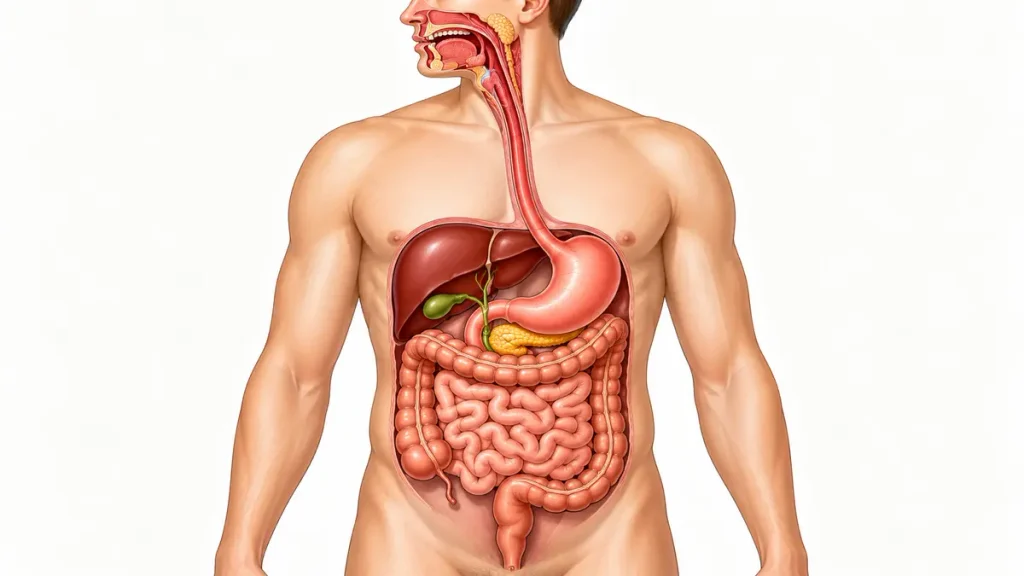
Before looking at bacteria, barriers and supplements, it helps to follow food through the body. Digestion involves coordinated muscular movement, nerves, hormones, enzymes and digestive fluids. The gastrointestinal tract is supported by organs including the liver, pancreas and gallbladder, and together they convert food into usable substances. NIDDK — Your Digestive System and How It Works.
2.1 From Food to Nutrients: The Journey Through Digestion
Digestion starts in the mouth, where chewing breaks food into smaller pieces and saliva begins breaking down starch. After swallowing, muscular contractions called peristalsis carry food through the oesophagus. In the stomach, food mixes with acid and enzymes, which start the digestion of protein. The stomach then releases its contents gradually into the small intestine for further processing and absorption. Most of this coordination happens without conscious effort.
2.2 The Stomach, Small Intestine and Large Intestine
The stomach stores and mixes food, creates an acidic environment and takes part in protein digestion. The small intestine absorbs most nutrients, using digestive enzymes and bile to help process carbohydrates, proteins and fats. The large intestine, including the colon, recovers much of the remaining water and electrolytes (dissolved salts), helps form stool and contains dense microbial communities that act on material not digested earlier.
The liver produces bile, the gallbladder stores and releases it, and the pancreas supplies enzymes and other secretions. A disruption anywhere in this coordinated system may affect digestion, though similar symptoms can have quite different causes.
2.3 Digestion, Absorption and Waste Elimination
Carbohydrates are broken down into simpler sugars, proteins into amino acids and smaller fragments called peptides, and fats into fatty acids and other components. Absorbed nutrients travel through the bloodstream or, for many absorbed fats, the lymphatic system. They contribute to energy production, growth and tissue maintenance. Materials that are not absorbed continue through the colon and are eliminated. This ordinary but intricate sequence is why digestion cannot be explained by the gut microbiome alone. NIDDK — Digestive System.
3. The Gut Microbiome: Understanding the Microorganisms Within Us
Alongside this machinery of digestion, the gastrointestinal tract is home to communities of microorganisms that interact with their environment and with our bodies. Scientific interest in these communities has expanded rapidly. Their roles are important, but the research does not support the idea that there is one universal “perfect” microbiome.
3.1 What Is the Gut Microbiome?
The gut microbiome means the microorganisms living in the digestive tract, together with their genes and the environment they occupy. It includes bacteria as well as viruses, fungi and other microorganisms. Composition differs between individuals and can be shaped by diet, medication, age, environment and illness. Some organisms have beneficial or neutral relationships with the body; others can contribute to disease under particular circumstances.
3.2 How Microorganisms Interact With Digestive Health
Certain intestinal microbes ferment dietary fibres and other food components that human enzymes cannot fully digest. In the process, they can produce short-chain fatty acids, including acetate, propionate and butyrate. Butyrate is an important fuel for many cells lining the colon, and these compounds take part in immune signalling and other physiological processes. Their metabolism is complex. Finding that a molecule is associated with healthy function does not show that consuming a particular product to raise it will prevent disease. Mukhopadhya and Louis, Nature Reviews Microbiology, 2025.
3.3 Why Microbiome Diversity Does Not Tell the Whole Story
It is tempting to assume that more kinds of gut bacteria always means better health. However, diversity by itself is not a universally validated clinical measure, and different healthy people may have quite different microbial communities. Commercial tests may report the relative abundance of microorganisms, but their routine results cannot currently serve as a definitive diagnosis of gut health.
For readers, the more reliable focus is on nutrition, symptoms, established medical assessment where appropriate and achievable habits, rather than on a laboratory-defined ideal that science has not established. ISAPP consensus, 2026.
4. How the Gut Protects and Repairs Itself
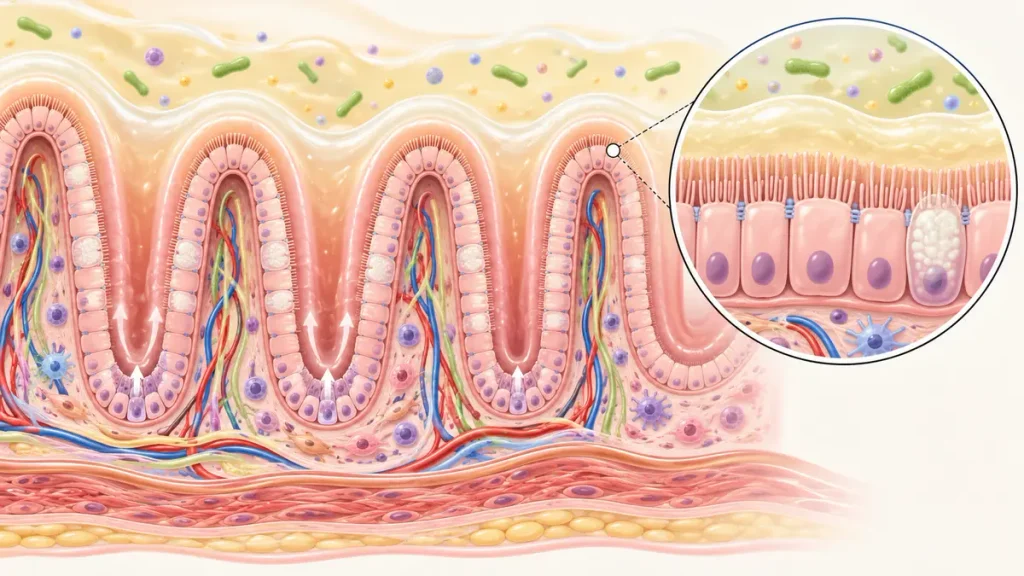
One of the digestive system’s striking features is its ability to maintain tissues that are constantly exposed to food, digestive chemicals and microorganisms. Discussions of repair, restoration and regeneration have genuine scientific foundations, but the same words are also used loosely in supplement advertising. Understanding the differences is essential.
4.1 The Intestinal Barrier and Its Protective Functions
The intestinal barrier separates material inside the gut from the underlying tissues while permitting selected nutrients and water to pass. It is not an impermeable wall. It has several interacting components:
- Mucus, produced by specialised cells, helps limit direct contact between the intestinal surface and microorganisms.
- Epithelial cells form the lining responsible for absorption and protection. Structures known as tight junctions help regulate movement between neighbouring cells.
- Local immune defences respond to harmful organisms while coexisting with many ordinary food exposures and intestinal microorganisms.
Disturbances in barrier function are relevant to some gastrointestinal diseases, and researchers continue to investigate whether interventions aimed at the barrier improve specific clinical outcomes. The popular term “leaky gut” needs particular care, and I return to it in Section 4.3. Neurath, Artis and Becker, The Lancet Gastroenterology & Hepatology, 2025.
4.2 How Intestinal Cells Naturally Renew Themselves
Cells in the intestinal lining have demanding jobs, and many are replaced regularly. Intestinal stem cells, located in structures called crypts, generate new cells that mature into absorptive and specialised protective cell types. This cellular renewal is a normal part of maintaining the intestinal lining throughout life, although its speed and mechanisms vary across tissues and circumstances.
Injury triggers additional responses, including changes in cellular behaviour and communication with immune and neighbouring tissue cells. Successful repair depends on what caused the damage and whether the harmful process continues. Persistent infections, inflammatory illnesses and certain medications can interfere with healing. Routine epithelial renewal and recovery after serious injury are therefore not the same thing. Choi and Augenlicht, Experimental & Molecular Medicine, 2024.
4.3 What Regenerative Science Can — and Cannot — Tell Us
Researchers are exploring how stem cells respond to intestinal injury, how the local cellular environment affects regeneration, and whether cell-based or drug-based approaches might eventually help patients with particular diseases. A scientific roadmap published in September 2026 describes both the advances and the considerable challenges in translating intestinal stem-cell biology into therapy. Kuo and colleagues, Nature Reviews Gastroenterology & Hepatology, 2026.
Three distinctions should remain clear. Natural renewal is established physiology. Regenerative medicine is an active area of investigation. A claim that a marketed supplement regenerates tissue is a separate proposition requiring clinical evidence for that exact product. A study of intestinal stem cells cannot, on its own, show an effect from swallowing any particular supplement.
The same caution applies to “leaky gut.” Increased intestinal permeability (how readily substances cross the gut barrier) can be a legitimate measurable feature of some disorders. It is not a stand-alone explanation for all chronic illness, and restoring permeability measurements has not been shown to cure diseases generally. Camilleri, Current Opinion in Clinical Nutrition & Metabolic Care, 2021.
5. Common Signs of Digestive Health Problems
Most people occasionally experience bloating, altered bowel habits or discomfort. These symptoms can follow a large meal, a change in routine, a short-lived infection or medication use. Persistent or severe symptoms are different. They can have many possible causes and deserve proper attention.
5.1 Bloating, Constipation, Reflux and Abdominal Discomfort
Bloating is a sensation of fullness or pressure, sometimes with visible distension. It can occur with constipation, dietary triggers or changes in the way the gut moves and senses its contents. Constipation may mean infrequent bowel movements, hard stools, straining or incomplete evacuation. Dietary patterns, medications, routine changes and medical conditions can all contribute. NIDDK — Constipation.
Acid reflux involves stomach contents moving back into the oesophagus, sometimes causing heartburn or an unpleasant taste. Frequent troublesome symptoms can reflect gastro-oesophageal reflux disease. Indigestion, or dyspepsia, can produce upper abdominal discomfort, burning or early fullness. Some people have functional dyspepsia, meaning symptoms without an identifiable structural cause; others have conditions that need investigation. NIDDK — Indigestion.
A symptom does not diagnose its cause. Bloating does not prove “bad bacteria,” heartburn does not prove an ulcer, and pain cannot reliably identify H. pylori. Persistent symptoms should not be managed indefinitely with self-diagnosis or advertised cures.
5.2 When Digestive Symptoms Need Medical Attention
Seek medical advice for symptoms that persist, worsen or recur, particularly when they come with unexplained weight loss, loss of appetite, difficulty swallowing or a substantial change in bowel habits. Vomiting blood, black tar-like stools, severe abdominal pain or chest pain suggesting a heart problem require urgent assessment. Ongoing vomiting or dehydration can also need prompt care. Some gastrointestinal diseases cause few obvious symptoms at first, so the absence of discomfort is not a guarantee of health. NIDDK — Indigestion warning signs.
6. Understanding H. pylori and Its Impact on Gut Health
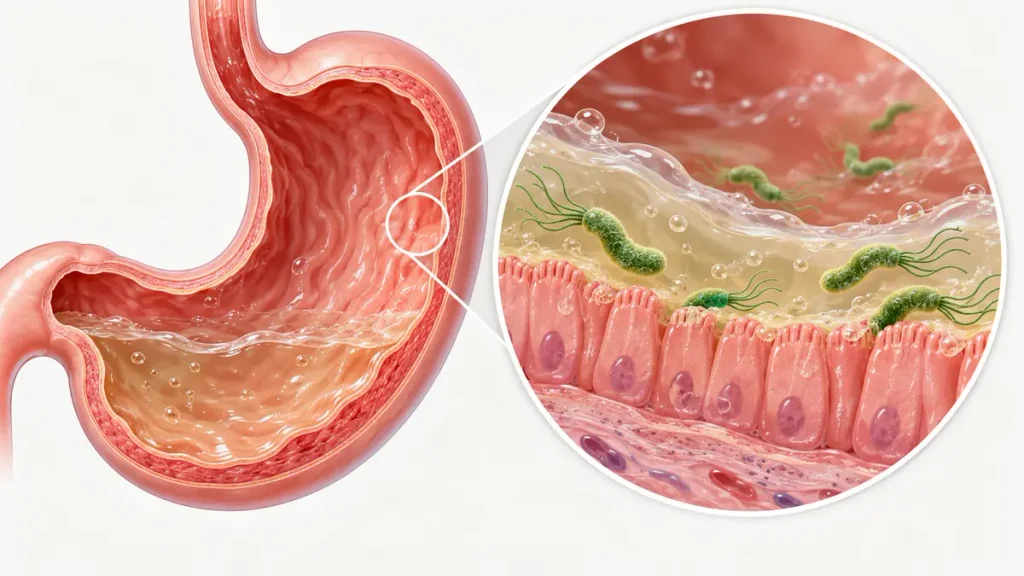
Helicobacter pylori is a bacterium that can colonise the stomach lining and cause chronic inflammation. Many infected people have no symptoms, but the infection can contribute to peptic ulcers and raises the risk of certain stomach cancers. It is a clear example of why general wellness approaches cannot replace diagnosis and disease-specific treatment.
6.1 What Is Helicobacter pylori?
H. pylori is adapted to the stomach’s acidic environment. It makes an enzyme called urease, which helps it survive near the mucus layer, and infection may persist for years. A peptic ulcer is a sore in the stomach or the upper small intestine, and H. pylori and nonsteroidal anti-inflammatory medicines such as ibuprofen are important causes. Most infected people do not develop stomach cancer, but infection is a recognised risk factor. NIDDK — Gastritis and Gastropathy.
6.2 How H. pylori Is Diagnosed and Treated
Symptoms alone cannot reliably identify the infection. Clinicians may use a urea breath test or stool antigen test, and some situations call for endoscopy with tissue sampling. When infection is detected, appropriate treatment generally involves a prescribed combination of medicines, including antibiotics and acid suppression, selected according to clinical circumstances and resistance patterns.
Guidelines also stress checking whether eradication has succeeded. Testing is ordinarily performed at least four weeks after antibiotics finish, and certain acid-suppressing medicines need to be withheld beforehand on the clinician’s instructions. American College of Gastroenterology — 2024 guideline overview.
6.3 Why Scientifically Established Treatments Matter
Laboratory research may show that certain natural compounds affect bacteria under experimental conditions. It does not follow that swallowing a supplement will eradicate an infection in a human stomach. Showing a treatment benefit requires appropriately designed clinical trials and reliable testing of infection clearance. Because untreated H. pylori can lead to important complications, a supplement should not replace prescribed eradication therapy. Readers who suspect infection should seek proper testing and care.
7. How to Improve Gut Health Through Nutrition
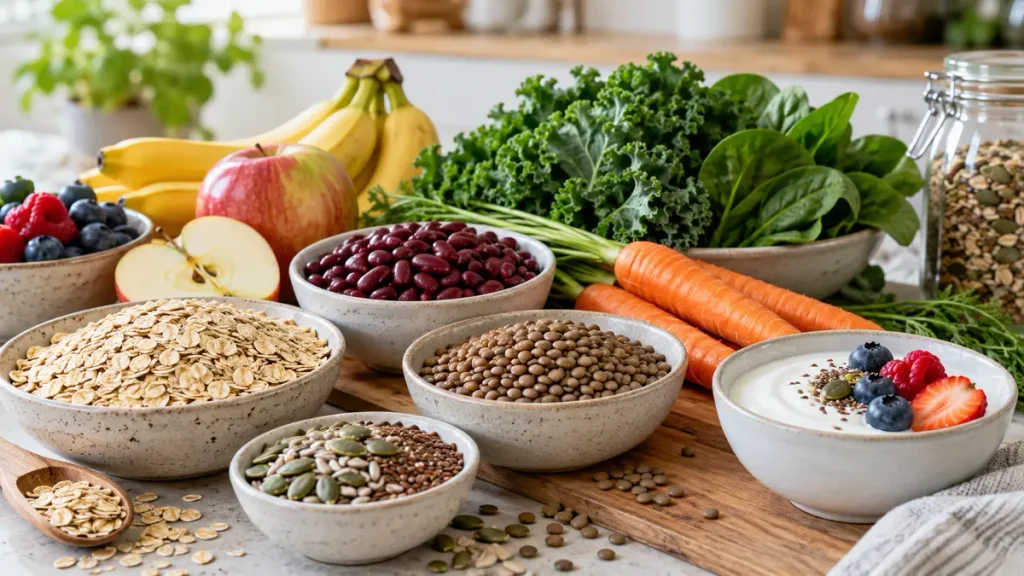
Of the factors that influence digestive function, everyday food choices are among the most practical to change. Foods provide nutrients for the body and substances that interact with intestinal microorganisms. The evidence favours balanced eating patterns over “miracle” ingredients or restrictive programmes sold as universal gut resets.
7.1 Dietary Fibre and Digestive Health
Dietary fibre comprises plant-derived carbohydrates and related substances that human digestive enzymes do not fully break down in the small intestine. Different types work in different ways. Some hold water and influence stool consistency, others add bulk, and certain fibres can be fermented in the colon by microorganisms that produce short-chain fatty acids.
Fibre is therefore important for normal bowel function as well as for microbial activity. For people older than ten, the World Health Organization recommends at least 25 g of naturally occurring dietary fibre per day, along with at least 400 g of fruits and vegetables. These are population-level recommendations, not personalised medical prescriptions. WHO — Healthy Diet.
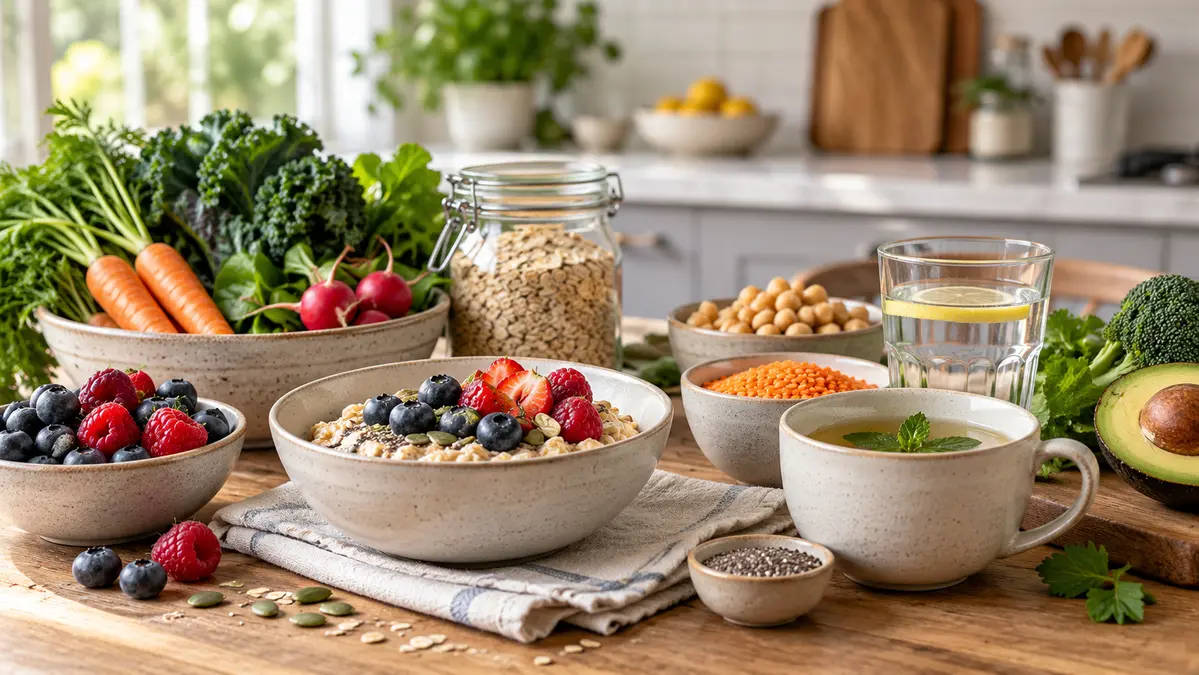
Accessible sources include oats, beans, lentils, chickpeas, wholewheat bread, fruit, leafy greens, carrots, cabbage, nuts and seeds. There is no need to rely on expensive imported “superfoods.” Oats and fruit at breakfast, a lunch that includes vegetables, or beans added to an evening meal can all contribute.
Increase fibre gradually. Large, sudden increases can make bloating or gas worse, and some bowel disorders call for tailored amounts or specific fibre types. Fluids are important, especially when dietary fibre rises, although people with medical fluid restrictions should follow their clinical advice. NIDDK — Diet and Constipation.
7.2 Whole Foods and Plant Diversity
A varied diet provides different fibres, vitamins, minerals and other compounds. Many gut microorganisms use different plant-derived food components, which gives researchers good reasons to study plant variety and microbial activity. Still, there is no validated rule that a fixed number of different plants per week produces an ideal gut microbiome for everyone. ISAPP consensus, 2026.
South African meals can offer valuable variety without abandoning familiar foods. For example, a plate containing maize porridge, leafy vegetables and beans can contribute nutrients and dietary fibre, although its nutritional profile depends on the ingredients, portion sizes and preparation. Add seasonal fruit, lentils, whole grains or other vegetables as your budget and preferences allow. The aim is a practical pattern sustained over time, not perfection at every meal.
7.3 Fermented Foods and Their Potential Benefits
Fermentation uses microorganisms to transform food components. Examples include yoghurt, kefir, kimchi, sauerkraut and traditional fermented foods such as amasi (fermented milk). Some products still contain live microbes when eaten, and others do not. Crucially, a fermented food is not automatically a probiotic, because a probiotic requires an appropriately characterised living microorganism shown to confer a benefit when consumed in adequate amounts. ISAPP consensus on fermented foods, 2021.
In a small 2021 dietary intervention study involving 36 adults, increased fermented-food intake was associated with changes in gut microbial diversity and selected immune measurements. The trial offers promising mechanistic insights, but it does not show that eating fermented foods cures digestive disorders or provides the same benefit to everyone. Wastyk and colleagues, Cell, 2021.
Plain yoghurt with live cultures can be convenient for someone who tolerates dairy. Other fermented foods may suit individual preferences, but nobody has to eat them every day to have a healthy diet.
7.4 Foods and Habits That May Worsen Digestive Symptoms
Food tolerance varies. Some people with reflux notice symptoms after larger high-fat meals, acidic foods, coffee or other personal triggers. Eating close to bedtime may aggravate night-time reflux, and clinicians sometimes advise avoiding meals for about three hours before lying down. Identifying personal patterns is more useful than following a blanket elimination list. NIDDK — Diet for GERD.
For selected people with irritable bowel syndrome, a structured, time-limited low-FODMAP approach (which temporarily limits certain fermentable carbohydrates) may help identify foods that contribute to symptoms. It is not a universal gut-health diet, and reintroduction is part of the process. A dietitian can help avoid unnecessary long-term restrictions. NIDDK — Diet for IBS.
8. How Stress, Lifestyle and Ageing Affect Gut Health
Good nutrition is important, but it is not the only influence on digestive function. Exercise, sleep, emotional stress, ageing, medicines and existing illnesses all shape how the gut works and how symptoms are experienced.
8.1 Understanding the Gut–Brain Connection
Many people notice stomach discomfort or a changed appetite before a stressful occasion. This reflects a real, two-way relationship between the digestive tract and the nervous system, often called the gut–brain axis. Neural pathways, hormones and immune signals all play roles, and the gut’s own network of nerve cells, the enteric nervous system, helps regulate movement and sensation.
Stress can affect gastrointestinal sensations and bowel habits, and digestive symptoms can in turn affect mood and daily life. This is especially relevant to disorders of gut–brain interaction, including irritable bowel syndrome. Psychological therapies or stress-management approaches can sometimes be part of care. But stress does not explain all symptoms, and genuine disease must not be dismissed as psychological. NIDDK — Treatment for IBS.
8.2 Physical Activity, Sleep and Digestive Function
Regular movement contributes to overall health and may help some digestive difficulties, including constipation in certain people. Walking, cycling or other enjoyable movement can form part of an everyday routine. WHO guidance recommends at least 150–300 minutes of moderate aerobic activity per week for most adults, or an equivalent amount of vigorous activity. These are general health goals, not specific cures for gastrointestinal disease. WHO — Guidelines on Physical Activity.
Sleep also interacts with stress regulation and other physiological processes. Adults should allow enough time for restorative sleep, though individual needs vary with age and circumstances. The CDC recommends at least seven hours nightly for adults aged 18–60. Even so, sleep should not be described as a proven treatment for an infection, ulcer or inflammatory illness. CDC — About Sleep.
8.3 How Digestive Health May Change With Age
Older adults may notice changes in bowel habits, appetite or medication tolerance, but ageing affects people differently. Constipation can be influenced by activity levels, food and fluid intake, medication effects and medical conditions. Changes in intestinal stem-cell function with age are also an active research area. These observations do not show that supplements can reverse digestive ageing. Choi and Augenlicht, 2024.
A sensible emphasis is on maintaining nutrition, activity and hydration appropriate to individual needs, reviewing medicines when warranted and investigating persistent changes rather than assuming that every symptom is “just getting older.”
9. Probiotics, Prebiotics and Gut Health Supplements: What Science Says
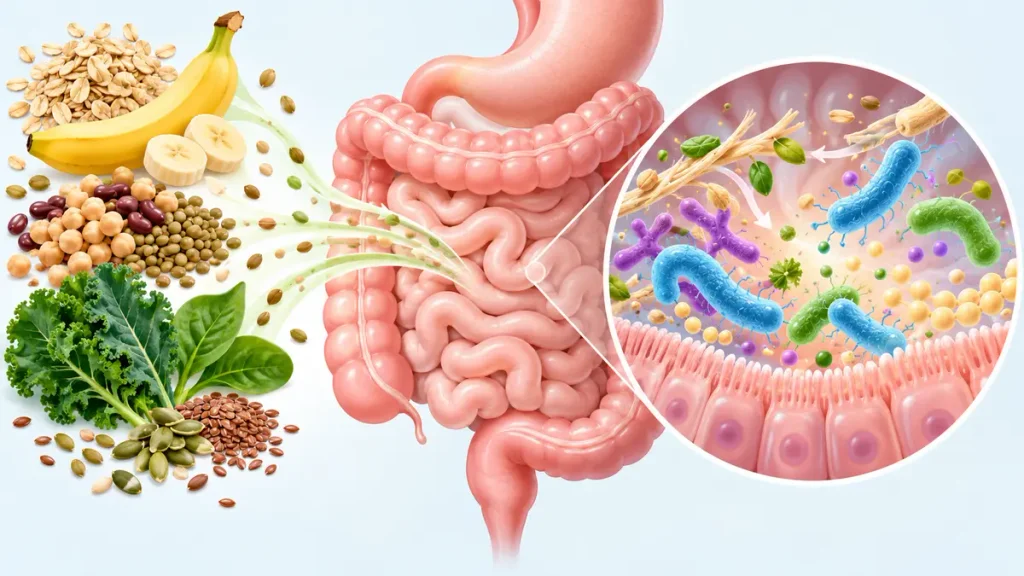
The market for digestive supplements has grown faster than certainty about which products help which people. There are legitimate scientific concepts behind probiotics and prebiotics, but they should not become a blanket endorsement of every supplement that mentions the microbiome.
9.1 Understanding Probiotics and Prebiotics
Probiotics are live microorganisms that confer a health benefit when given in adequate amounts. Species, strain, dose and clinical purpose all matter, and merely containing bacteria does not make a food or capsule a clinically validated probiotic.
Prebiotics are substrates (food components) that host microorganisms selectively use to confer a health benefit. Some prebiotics are dietary fibres, but not every fibre meets the scientific definition. Synbiotics combine live microorganisms with substrates intended to confer benefits through microbial use. These terms identify distinct interventions, not interchangeable marketing labels. ISAPP — Consensus definitions.
9.2 What Clinical Research Supports
Some probiotic formulations have evidence for certain specific uses, including some circumstances involving antibiotic-associated diarrhoea. Research on irritable bowel syndrome, constipation and other conditions is mixed, and findings from one organism or formulation cannot be transferred automatically to another. NIH NCCIH — Probiotics: Usefulness and Safety.
Laboratory findings, microbial changes and patient-important outcomes should also be kept separate. A treatment that changes microbial composition has not necessarily reduced pain, improved bowel habits or prevented disease. Probiotics are tolerated by many healthy people, but serious adverse events can occur in vulnerable patients, especially those with severe illness or compromised immune function. Such patients need professional guidance before use.
9.3 How to Evaluate Gut Health Supplement Claims
Before buying any digestive supplement, I would ask six questions:
- What is actually in it? Look for a complete ingredient list, amounts and relevant strain identification.
- What does it claim to do? Supporting general wellbeing differs greatly from claiming to cure an ulcer, eradicate infection or regenerate tissue.
- Was the finished product studied? An ingredient study does not establish efficacy for every formulation containing that ingredient.
- Was the evidence obtained in humans? Cell experiments and animal studies cannot alone demonstrate clinical benefit.
- What are the safety considerations? Consider allergies, medication interactions, pregnancy, underlying illness and adverse effects.
- What regulatory and quality information is verifiable? Product registration, manufacturing quality and independent proof of treatment effectiveness are different things.
These questions apply to every brand. They matter most when advertising draws on appealing concepts such as “regeneration,” “detox,” “barrier repair” or “microbial reset.”
10. Building a Practical Gut Health Routine
The most practical conclusion from the evidence so far is that supporting digestion does not require a dramatic intervention. A realistic plan is more valuable than a promise of overnight transformation.
10.1 Everyday Habits Worth Prioritising
- Start with food variety. Include vegetables, fruit, whole grains and pulses as your circumstances allow.
- Build fibre gradually. Make modest additions rather than large overnight changes.
- Drink appropriate amounts of fluid. Requirements differ, especially for people with medical fluid restrictions.
- Move regularly. Walking is a simple option for many people.
- Protect sleep and manage stress. These help general wellbeing and may affect digestive symptoms.
- Observe patterns. A brief record of food, symptoms and timing can help when consulting a clinician or dietitian.
For example, a person eating little fibre might begin by choosing oats and fruit at breakfast several days a week, adding beans to one evening meal and walking regularly. Those steps are sustainable and do not depend on buying a special supplement.
10.2 When to Seek Personalised Medical or Dietary Guidance
A person with coeliac disease, inflammatory bowel disease, persistent reflux, IBS or another diagnosed condition may need individual treatment and food guidance. Highly restrictive diets should not be followed indefinitely without a clear reason and appropriate support. Persistent or alarming symptoms need medical evaluation. General wellness advice is a foundation, not a replacement for targeted healthcare.
Supporting gut health means combining credible information with choices that make sense for the individual. It also means accepting that science continues to evolve and that not every promising mechanism has become a proven treatment.
11. Exploring Norland GI Vital Softgel Capsules
The preceding sections offer a framework for judging any gut health supplement. In this section I apply it to one product, Norland GI Vital Softgel Capsules. I introduce it only now, after the educational discussion, so that readers can evaluate it in the context of the science rather than assume that the science proves the product works.
Commercial disclosure: I am an independent Norland distributor and could benefit financially if a reader purchases Norland products through me. This commercial relationship does not establish the product’s effectiveness and should be considered when evaluating this section.
11.1 What Are GI Vital Softgel Capsules?

GI Vital is sold as a gastrointestinal wellness supplement. It appears in Norland’s international product listing and is promoted by South African distributors with language about the gut lining, cellular renewal and digestive conditions.
As Section 4 explained, natural renewal of the intestinal lining is established physiology. It does not demonstrate that taking GI Vital enhances that process, and promotional language about “stem cells” or “regeneration” should not be read as proof of a clinical effect from this capsule.
11.2 Ingredients, Product Claims and Available Scientific Evidence
Several public South African reseller descriptions list sesame oil, yellow beeswax (Cera flava), Scutellariae radix and additional herbs. These descriptions do not provide a complete, independently confirmed ingredient breakdown or amounts for the formulation currently distributed in South Africa, and some listings contain inconsistent packaging-weight figures. Example: South African distributor listing.
Such information is a starting point for checking the label, not a verified product specification. Studies of an individual plant extract or laboratory model cannot be assumed to demonstrate clinical outcomes for the finished softgel.
Some seller descriptions claim that GI Vital eliminates H. pylori, heals ulcers, treats reflux or regenerates damaged tissue. I have not identified independently verifiable, peer-reviewed human clinical trials of the exact product that establish those claims. They should therefore not be presented as demonstrated benefits. In particular, confirmed H. pylori infection requires appropriate treatment and follow-up testing as advised by a clinician, not replacement with a dietary supplement. American College of Gastroenterology, 2024.
This lack of verified evidence does not prove that the product has no effects. It means that a responsible claim about a particular benefit cannot be made on the evidence reviewed for this guide.
11.3 Important Considerations Before Using GI Vital
Before deciding whether the product is appropriate, ask for the current South African packaging and insert showing all ingredients, quantities, directions, precautions and the supplier’s identity. Confirm any applicable local regulatory status and permitted health claims. A quality-management certificate or manufacturing document should not be mistaken for a clinical trial or for approval to treat a disease. SAHPRA — Complementary Medicines.
People with sesame allergies should pay special attention to the formulation. Anyone who is pregnant, breastfeeding, taking regular medicines or living with a significant medical condition should seek qualified advice about potential risks and interactions. Never delay diagnosis or prescribed treatment of persistent digestive symptoms on the assumption that a supplement will correct the cause.
11.4 Interested in Learning More About GI Vital?
Nothing in this guide suggests that a purchase is necessary for good gut health. The everyday foundations described in Section 10 do not depend on any product. Readers who would still like to know more can ask me for current product documentation, availability and purchasing information, as I am a Norland distributor. I encourage readers to review the verified label, ask about ingredients and safety, and discuss any medical concerns with a qualified healthcare professional before deciding.
Request the current GI Vital product information and purchasing details.
12. Conclusion: Making Informed Choices About Gut Health
When I began exploring this subject, I wanted to know how much of what we hear about gut health is supported by science. Having worked through the research, I appreciate the complexity of a system that quietly performs vital tasks every day. Digestion depends on organs, enzymes and muscular movement, but also on intestinal microorganisms, protective barriers, immune responses and the ongoing renewal of the cells lining the gut.
The evidence gives us good reasons to value these processes. It also separates understanding a biological mechanism from demonstrating that a product can improve it. Intestinal tissue renewal is real, while claims that a particular supplement regenerates digestive organs are separate claims that need their own clinical evidence. In the same way, promising microbiome research does not make every probiotic or herbal preparation useful for every person.
Fortunately, sensible foundations already exist: varied food, adequate fibre, regular activity, appropriate sleep and personalised medical care when symptoms warrant it. Good gut health is not about finding a miracle solution. It is about understanding normal function, recognising problems and making informed, sustainable choices.
Anyone weighing a supplement, whatever the brand, can apply the same standards: careful evidence, product transparency, safety and realistic expectations.
13. Frequently Asked Questions About Gut Health
13.1 What Are the Common Signs of Poor Gut Health?
Bloating, constipation, diarrhoea, heartburn and abdominal discomfort are common digestive complaints. They have many possible causes, so no single symptom diagnoses “poor gut health.”
See a healthcare professional if symptoms persist, worsen or affect daily life. Some digestive conditions cause few early symptoms. 2026 gut-health consensus.
13.2 How Can I Improve My Gut Health Naturally?
Start with varied meals, adequate dietary fibre, regular physical activity and sufficient sleep. Increase fibre gradually, particularly if your current intake is low.
These habits can support digestion, but they cannot replace medical treatment for infections or diagnosed gastrointestinal diseases.
13.3 Which Foods Are Best for Gut Health?
Vegetables, fruit, oats, whole grains, beans and lentils provide useful fibre and nutrients. Aim for dietary variety rather than searching for one “superfood.”
Fermented foods may suit some people, but they are not essential for everyone. WHO healthy-diet guidance.
13.4 How Long Does It Take to Improve Gut Health?
There is no universal timeline. Improvements depend on the symptoms, their causes and the changes or medical treatments involved.
Some bowel habits respond to dietary adjustments, while infections and chronic conditions need specific care. Be cautious of promises of complete “gut restoration” within days.
13.5 Do Probiotics Improve Gut Health for Everyone?
No. Benefits depend on the specific probiotic strain or formulation, the dose and the health condition. Evidence is stronger for some uses than for others.
Probiotics may also carry risks for people who are severely ill or immunocompromised. NIH guidance on probiotics.
13.6 Can the Intestinal Lining Repair Itself Naturally?
Yes. Intestinal stem cells continually replace cells in the gut lining and contribute to repairing certain injuries.
Healing depends on the cause and severity of damage. This natural process does not prove a supplement can regenerate digestive organs. Stem-cell research review.
13.7 What Is H. pylori, and Can It Be Eliminated Naturally?
H. pylori is a stomach bacterium associated with gastritis, peptic ulcers and increased stomach-cancer risk.
Natural substances have been studied, but they do not replace recommended eradication treatment. Diagnosis and clearance testing need appropriate medical care. ACG treatment guidance.
13.8 Can Stress Affect Digestion and Gut Health?
Yes. The gut and nervous system communicate continuously, and stress can affect digestive sensations and bowel habits.
Stress does not explain every digestive complaint. Persistent symptoms deserve assessment rather than being dismissed as anxiety. NIDDK guidance on IBS.
13.9 When Should I See a Doctor About Digestive Problems?
Seek medical advice for persistent or worsening symptoms, unexplained weight loss, difficulty swallowing or substantial changes in bowel habits.
Vomiting blood, black tar-like stools, severe abdominal pain or possible heart-related chest pain require urgent assessment. NIDDK digestive health.
13.10 Are Gut Health Supplements Necessary for Everyone?
No. A balanced diet and suitable everyday habits provide a foundation for many people. Some supplements may have a role in particular circumstances.
Check the evidence, safety and ingredients of the exact product. Supplements should not replace necessary nutrition, diagnosis or medical treatment.